What We’re Taking With Us from the Jobs With Justice Workers Revive Democracy Conference
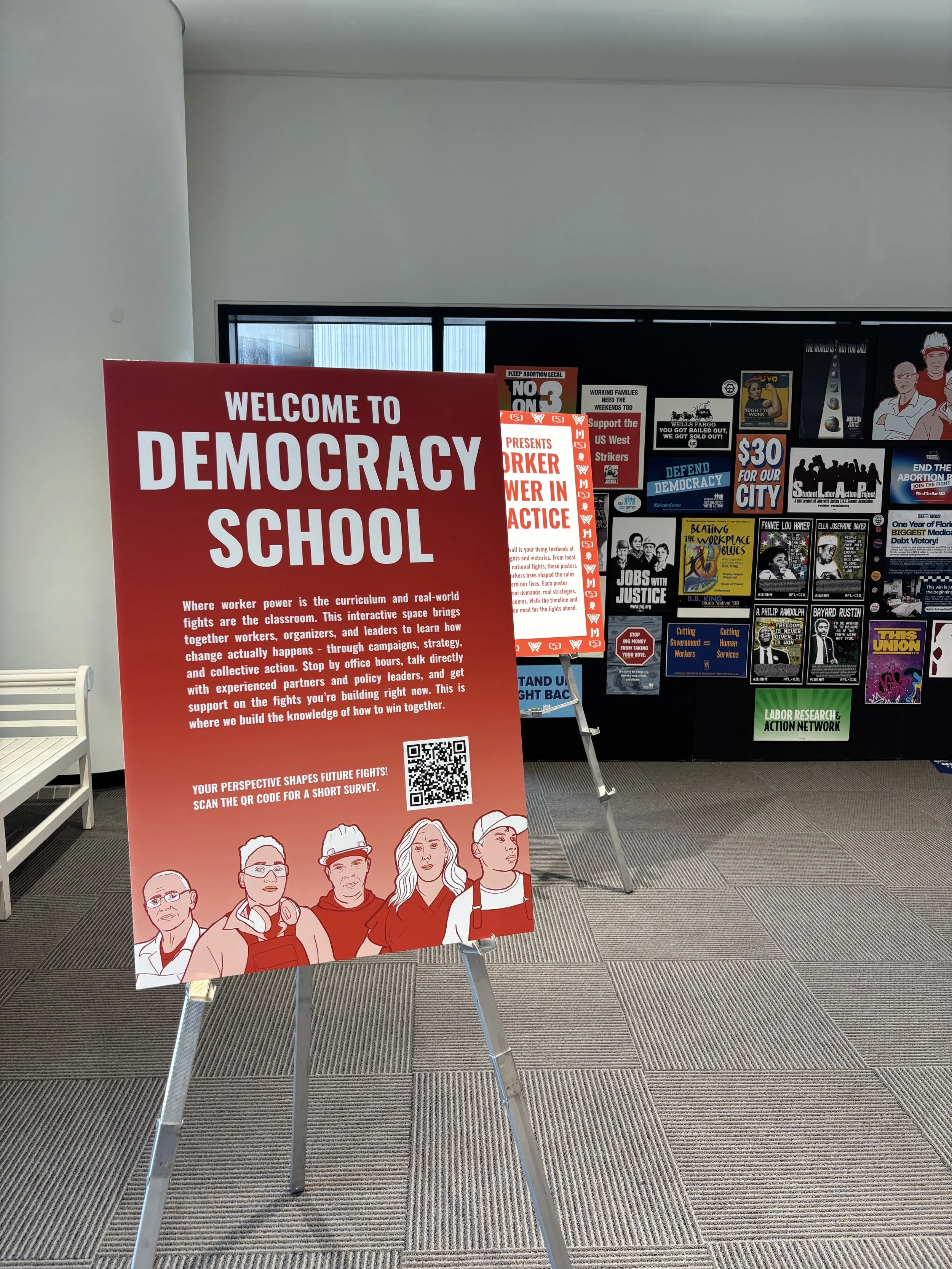
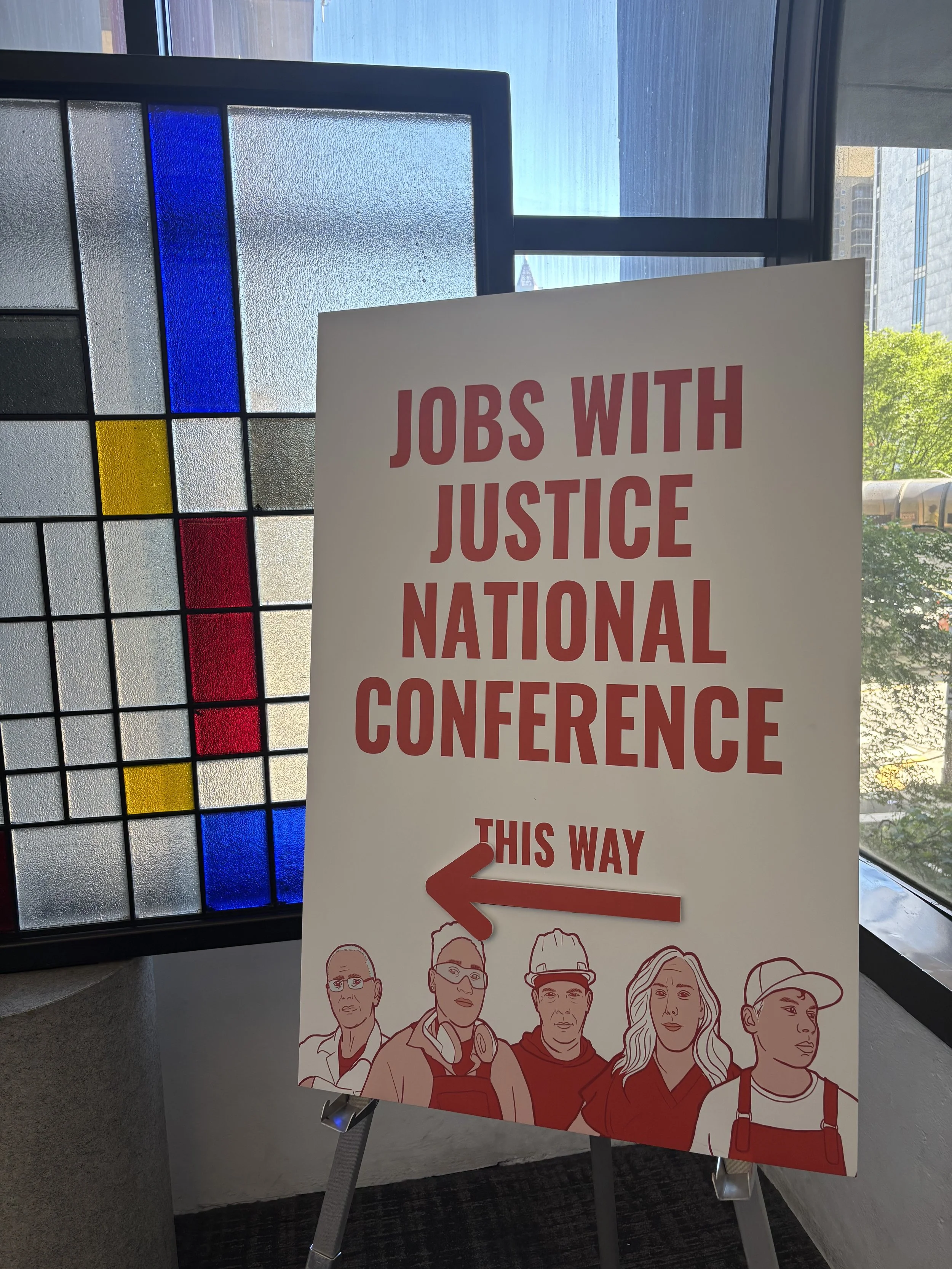
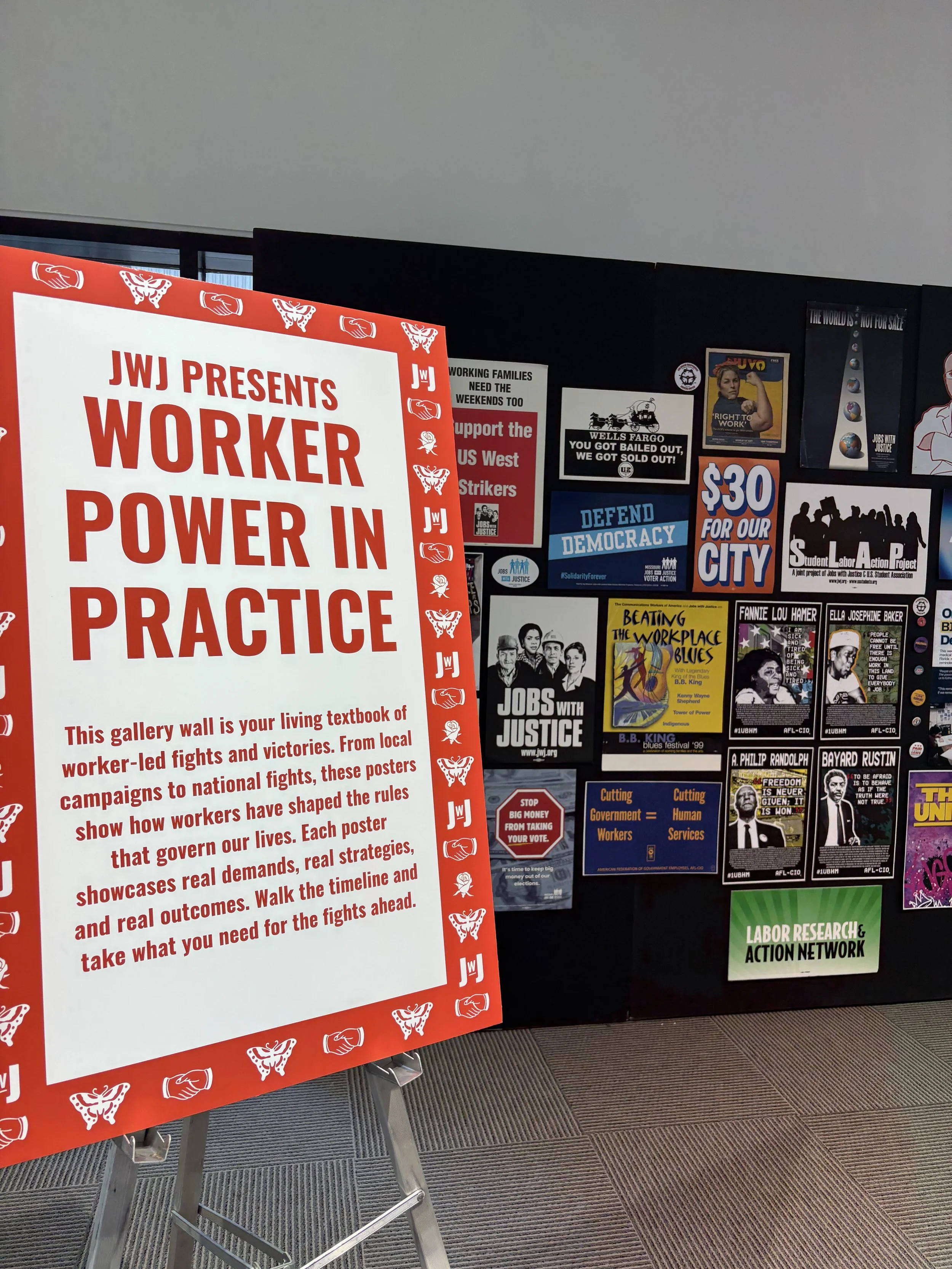
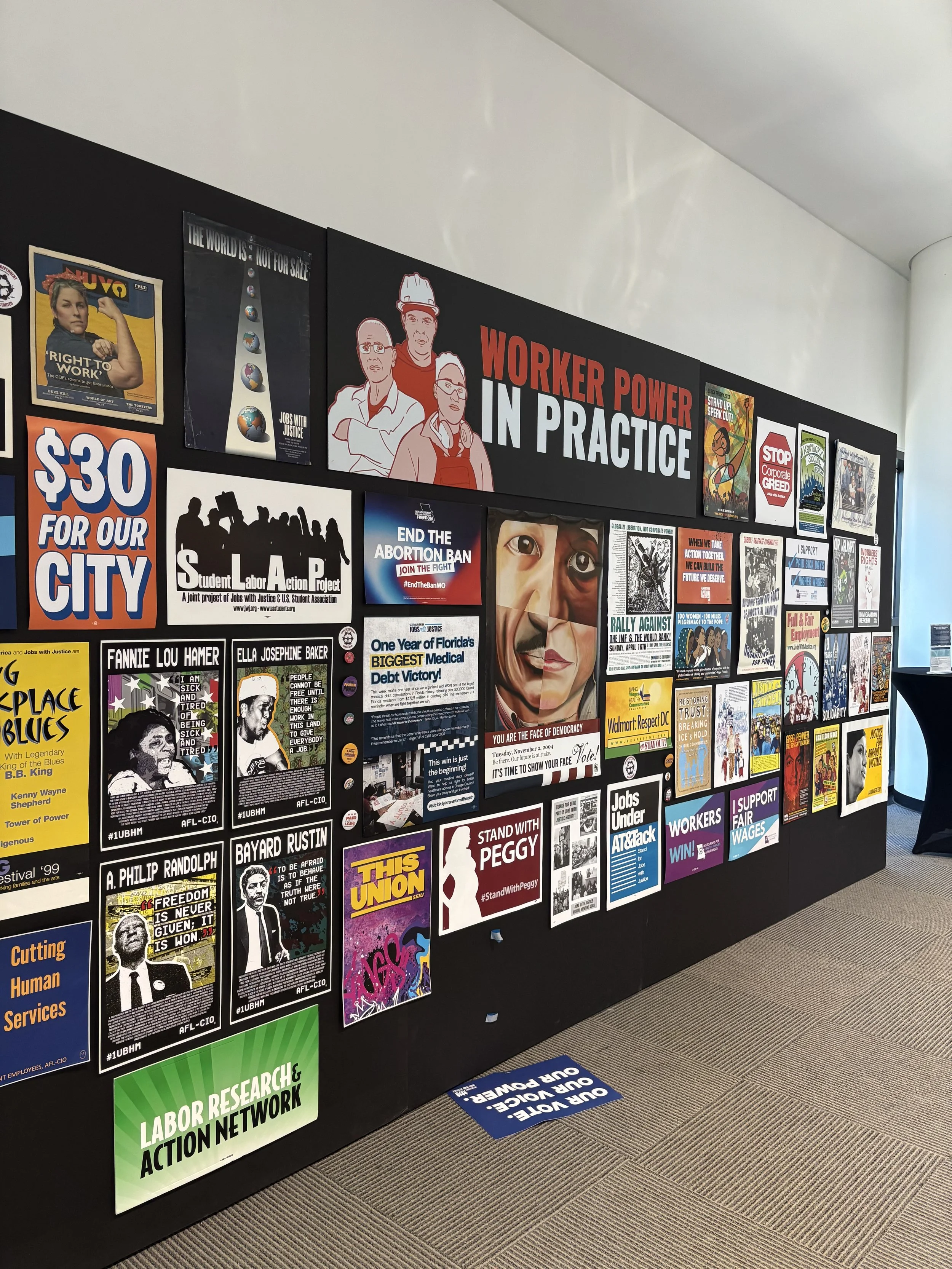
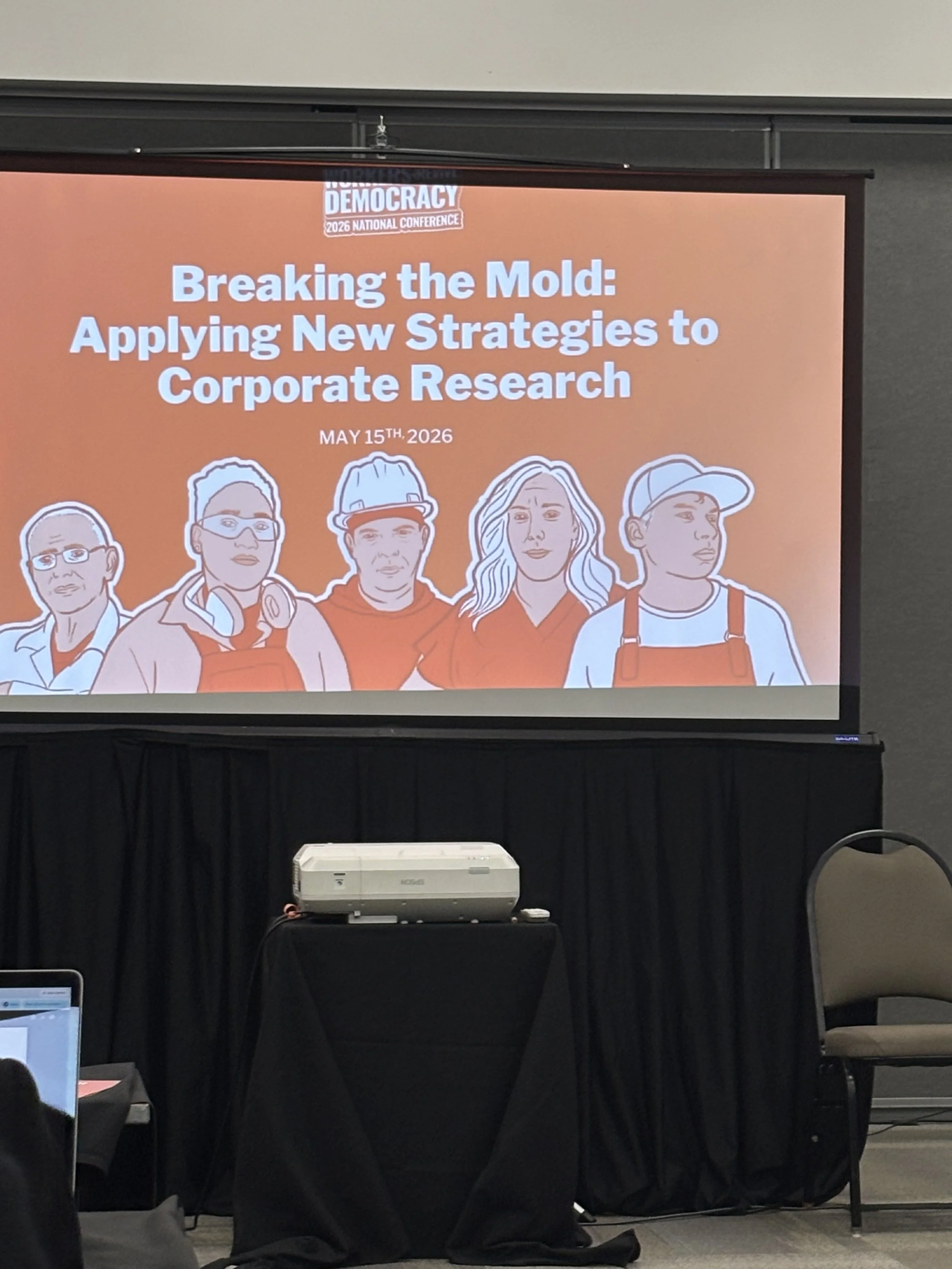
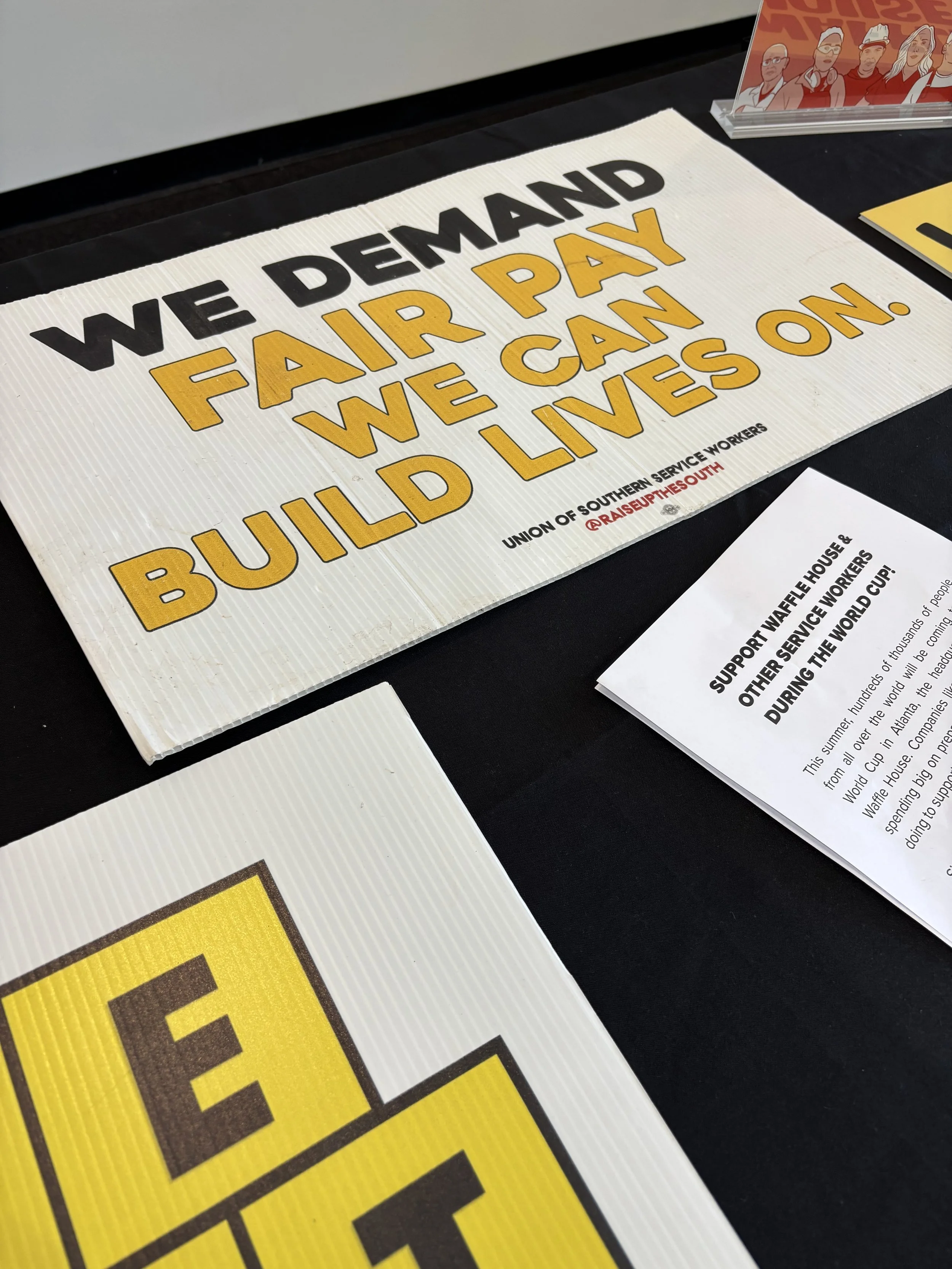
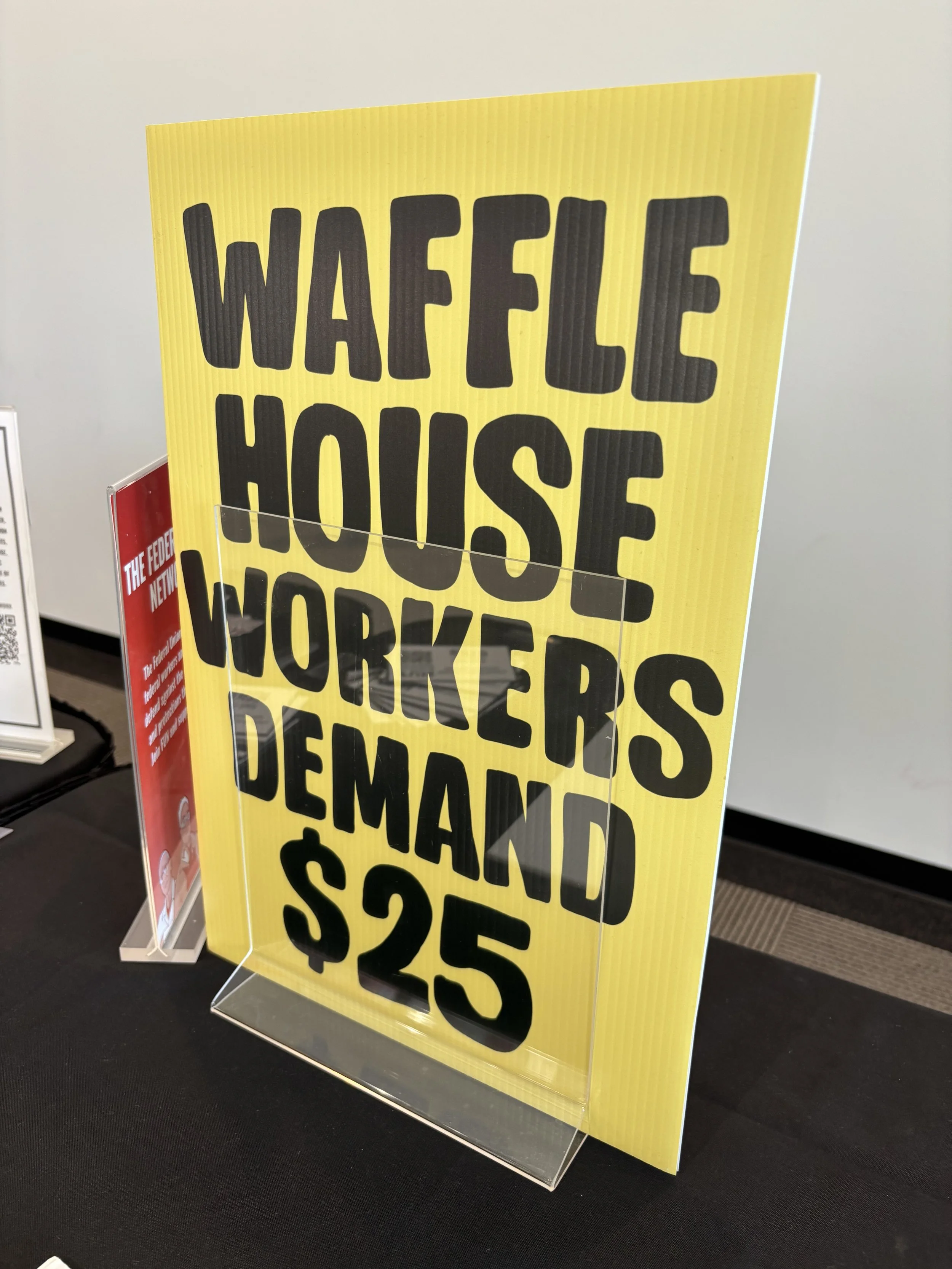
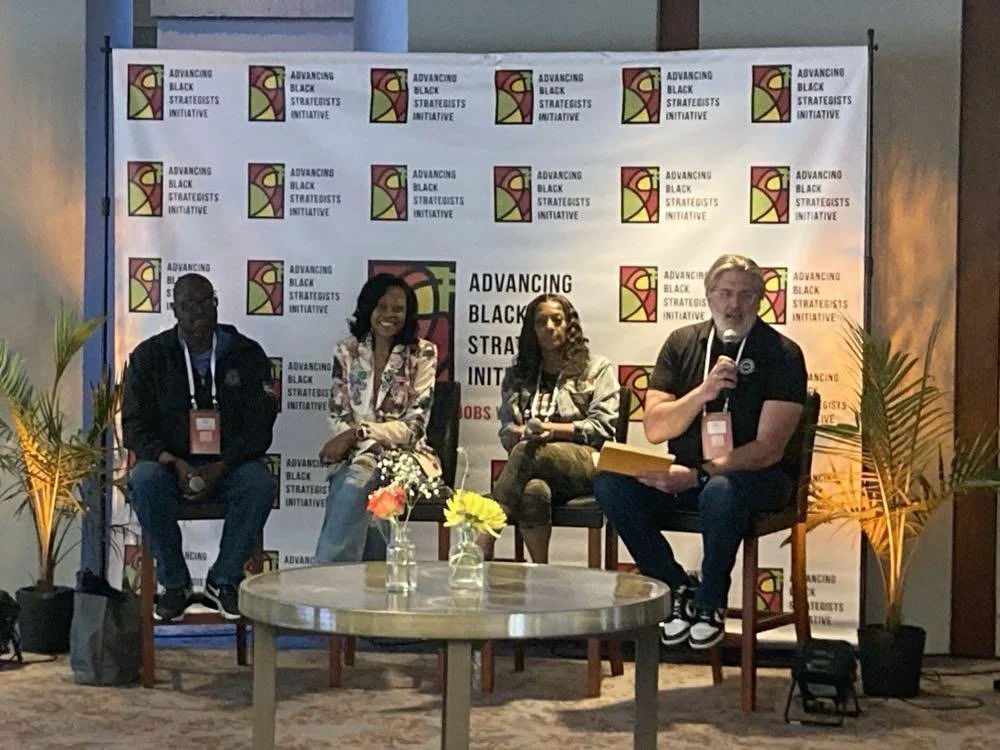
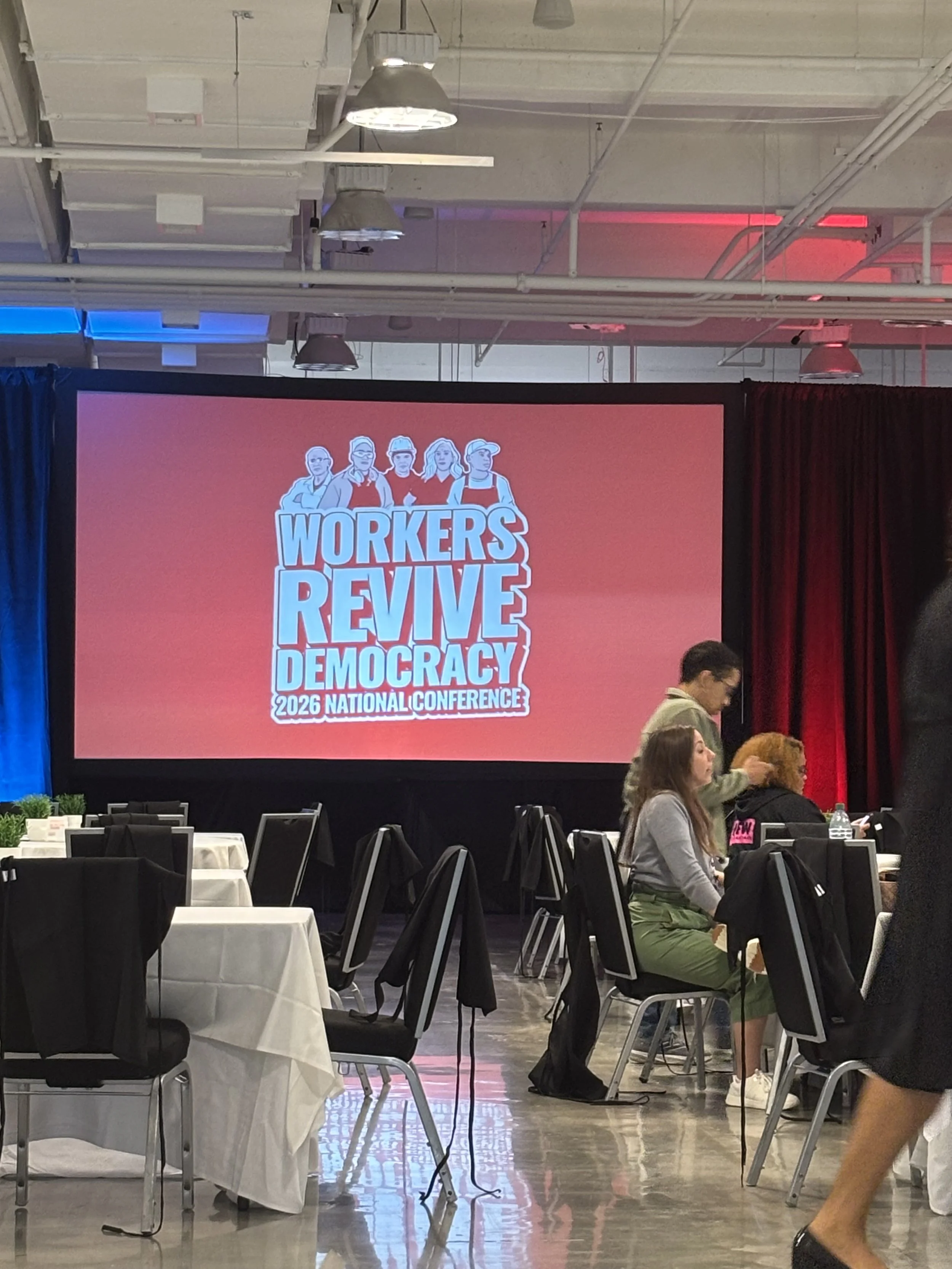
We spent the weekend at the Jobs With Justice Workers Revive Democracy conference, and we left with full notebooks, new relationships, and a renewed sense of why this work matters.
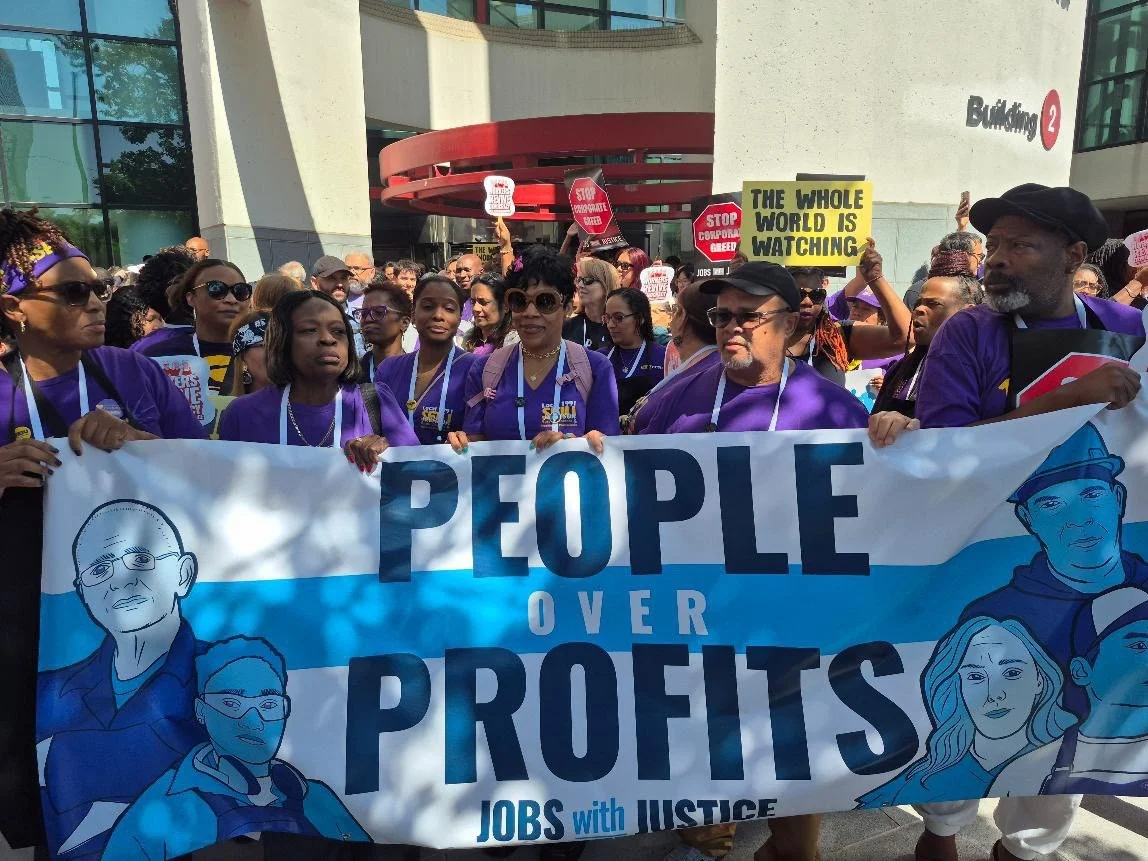
The room was full of organizers who have spent years fighting across labor, housing, climate, immigration, and education and who still believe, deeply, in the power of collective action because they've seen what becomes possible when people leverage their power for shared outcomes.
What moved us most was hearing workers talk about their pension dollars as something that belongs to them. We heard organizers connect affordable housing and climate resilience as part of the same broader struggle. We watched people across generations return again and again to the same idea: the systems shaping our lives were built by people, which means they can also be dismantled and rebuilt by people.
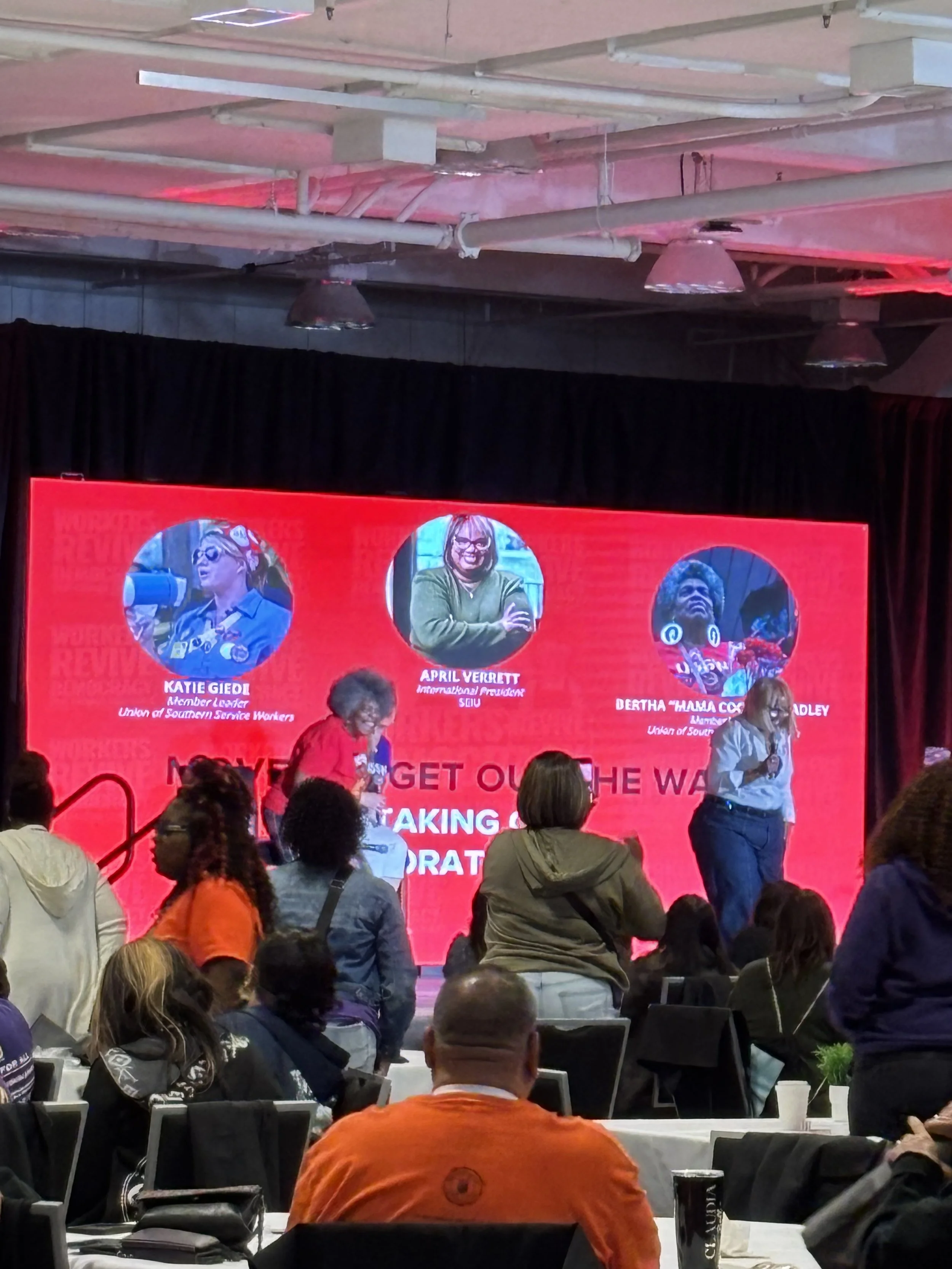
But one phrase from the weekend has been difficult to shake. It was shared in recognition of care workers, educators, and all the people whose labor holds communities together while recognition too often goes elsewhere: "We do the work that makes all other work possible."
That line captured something essential about the weekend. Justice stopped feeling abstract and instead looked like a room full of people refusing to wait for someone else to act.
Please keep reading for five more takeaways we’re holding close.
1. Our tools have to stay rooted in organizing principles.
One of the strongest reminders from the weekend was that tools are only useful if people can use them. Pension engagement can become technical very quickly, and when it does, it risks drifting away from the workers it's supposed to serve. We want to continue building resources that are just as useful in a union hall as they are in a boardroom, resources that help workers ask sharper questions, understand how pension systems operate, and recognize the influence they already have within them. Because the goal is to make participation feel possible.
2. The intersectionality of this work is a strength.
The conversations throughout the weekend also reinforced something we think about often at CFA: housing justice, climate resilience, immigration rights, worker safety, the impact of AI, and retirement security are not separate fights running on parallel tracks. They are deeply connected questions about power, economic security, and whose futures are protected. CFA sits at one particular intersection within that larger landscape, but this weekend reminded us how important it is to continue building relationships across movements and sectors. The complexity of what workers are facing requires coalitions that are just as connected and expansive.
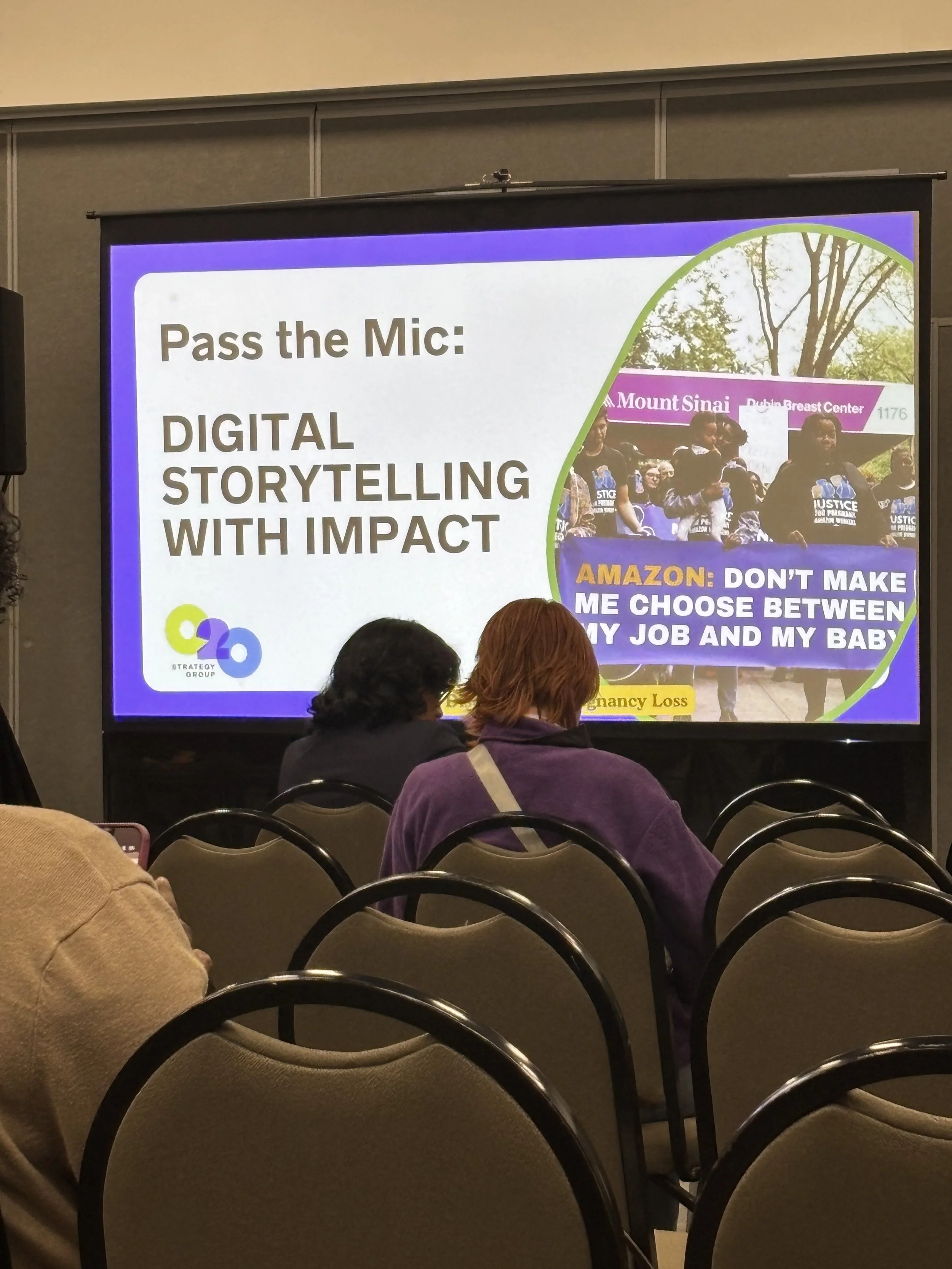
3. Storytelling is organizing.
Again and again, we saw how stories moved people in ways data alone cannot. Workers sharing experiences from the job site, from their communities, from their own financial realities shifted conversations immediately from abstract policy to lived experience. Those stories created connection and urgency.
Climate risk and fiduciary duty can feel distant until someone explains how wildfire smoke affected their ability to work, or how rising insurance costs are reshaping their community, or why they're worried about what kind of economy they'll retire into. We left the weekend more committed than ever to centering worker voices in the resources, storytelling, and educational spaces we create.
4. The movement is broader than any one room.
One of the most energizing parts of the conference was realizing how many people are wrestling with similar questions — how to keep the organizing soul alive when systems become technical, how to ensure workers stay connected to the institutions that shape their lives, how to move from frustration to strategy. Those are our questions too.
The conversations at JWJ reminded us that this work is part of a much larger ecosystem of organizers, advocates, workers, and movement leaders trying to build more accountable systems and more resilient communities. We want to stay in deeper conversation with that broader movement, not only sharing what we're learning, but learning from what others are building.
5. This money belongs to workers. Full stop.
Throughout the weekend, a phrase came up again and again: labor's capital. That framing matters because it reminds people that pension dollars aren't abstract investments disconnected from everyday life. They are deferred wages — workers' money — and when people begin to see pension funds not as distant institutions but as collective capital connected to their own futures, the conversation changes. Questions about stewardship, climate risk, and investment priorities stop feeling theoretical and start feeling personal.
That shift in understanding is what we're carrying forward. Helping workers see themselves not as spectators but as stakeholders with influence. That's some of the most important work we can do right now.
The Work Continues
We left the conference reminded that the technical work of pension engagement only means something when it's rooted in the broader project of building power with workers.
The weekend didn't resolve the hard questions. It deepened them, which is its own kind of gift. How do we build tools that travel across different organizing contexts without losing their edge? How do we stay accountable to the movements we're part of, rather than just adjacent to them? How do we make sure that as this work grows, the workers it's meant to serve remain at the center of it?
We don't have complete answers. But we left the Jobs With Justice conference more certain that we're asking the right questions alongside the right people and that the work ahead, however complex, is worth doing with care and urgency.
If you're organizing around pension engagement, labor's capital, or the intersections of economic and climate justice, we'd love to be in conversation. Reach out, share what you're building, and let's keep finding ways to do this work together.
Double-click to edit...